
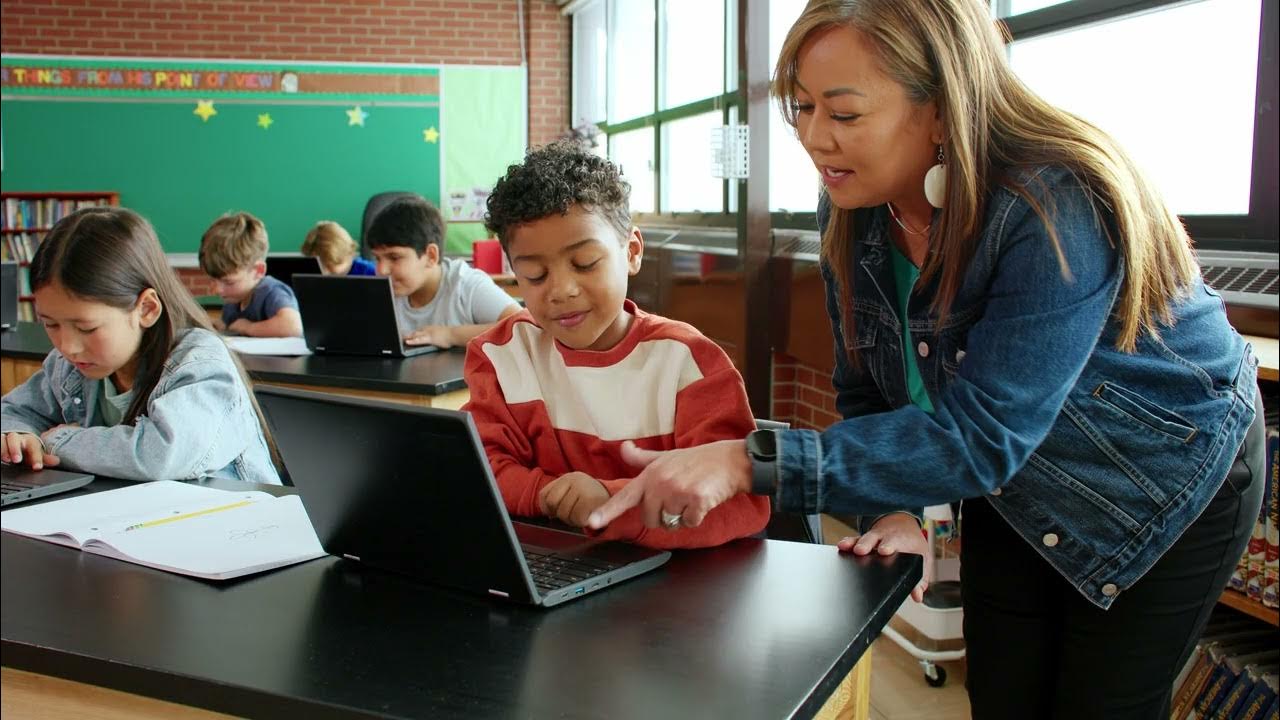
Education influences nearly every part of personal and professional development, yet its meaning has expanded far beyond traditional classrooms. As society evolves, education now represents a dynamic combination of academic knowledge, digital literacy, social development, and workforce readiness. The role of Education in shaping future generations is more complex, integrated, and demanding than ever before. From early learning experiences to advanced skill development in adulthood, education serves as the foundation for innovation, economic mobility, and global progress.
In many communities, Education is seen as the most powerful tool for leveling opportunities, improving decision making, and developing critical thinking. Today’s learners navigate an environment shaped by technology, cultural diversity, hybrid learning models, and shifting career expectations. To understand how modern education functions, it helps to explore the systems that support it and the skills it aims to build.
How Education Has Transformed Over Time
Education has gone through dramatic shifts over the past century. Once structured almost exclusively around classroom lectures and memorization, it has developed into an interconnected ecosystem that addresses academic, emotional, and digital competency.
Expansion of Access and Equity
Access to quality education has broadened significantly. Many communities now emphasize inclusive learning environments that support:
- Students with diverse cultural backgrounds
- Learners with disabilities
- Students from underserved communities
- Adult learners returning to school
Improved access promotes equity and helps close achievement gaps.
Technology as a Central Influence
Technology changed education’s rhythm and pace. Classrooms use digital resources, online platforms, and interactive tools to enrich instruction. Students rely on technology for:
- Research and knowledge exploration
- Virtual collaboration
- Digital assignments and assessments
- Skill building in coding, media literacy, and data interpretation
Technology enhances the learning experience and makes education more flexible.
Shift Toward Skill Based Learning
Modern education emphasizes transferable skills. Instead of memorization, learners focus on:
- Critical thinking
- Creativity
- Communication skills
- Collaboration
- Problem solving
These skills prepare students for careers that constantly evolve.
Core Components of an Effective Education System
Education is not a single structure. It comprises multiple layers that work together to support learners from childhood through adulthood.
Early Childhood Education
Early learning is the foundation of cognitive and social development. High quality early childhood programs enhance language ability, emotional understanding, and curiosity.
Key Developmental Areas
Young learners build:
- Language and vocabulary skills
- Basic math and reasoning
- Social interaction and emotional regulation
- Creative exploration through play
- Early fine motor and coordination abilities
Strong early childhood education influences long term academic performance and confidence.
Importance of Family and Community Involvement
Family participation creates a supportive learning environment. Community engagement exposes children to broader experiences, encourages socialization, and supports developmental milestones.
Primary and Secondary Education
This stage forms the core academic journey. Students learn essential subjects and begin shaping their personal interests and strengths.
Academic Curriculum Structure
K through 12 education typically covers:
- Mathematics and analytical reasoning
- Science and experimental thinking
- Language arts and communication
- Social studies and cultural awareness
- Physical education and health
- Creative subjects such as art and music
A balanced curriculum supports cognitive and personal growth.
Supporting Diverse Learning Styles
Students learn differently. Schools integrate methods such as:
- Visual learning through graphics and diagrams
- Auditory learning through discussion and storytelling
- Kinesthetic learning through hands on activities
- Collaborative learning through group work
Adjusting instruction to learning styles increases engagement and achievement.
Higher Education and Career Preparation
Higher education expands specialized knowledge and prepares individuals for the workforce. Colleges, universities, and technical institutions offer pathways that suit different goals.
Types of Higher Learning Options
- Four year degree programs
- Two year community college programs
- Technical and trade schools
- Professional certification programs
- Continuing education courses
Each path builds specialized skill sets that align with career goals.
Internship and Workforce Integration
Many programs incorporate internships, apprenticeships, and field experience. These opportunities help students:
- Apply theoretical knowledge
- Build workplace communication skills
- Strengthen professional networks
- Explore career interests before entering the workforce
Hands on experience increases readiness and confidence.
Digital Education and Online Learning
Digital education has become a permanent part of learning. Students and professionals use online platforms to expand their knowledge at their own pace.
Benefits of Online Learning Environments
- Flexibility in scheduling
- Access to a wider variety of courses
- Personalized learning paths
- Opportunities for remote collaboration
- Ability to review lessons multiple times
Online learning supports learners balancing work, family, or geographic limitations.
Challenges and Solutions
Digital learning also presents challenges. Some students struggle with:
- Maintaining focus
- Accessing reliable internet
- Managing time independently
Solutions include structured routines, teacher checkpoints, improved access programs, and training in digital responsibility.
Social and Emotional Learning in Modern Education
Academic knowledge alone is no longer enough to help students succeed. Today’s education emphasizes social and emotional learning to build healthier, well rounded individuals.
Core Competencies of SEL
Social and emotional learning teaches:
- Self awareness
- Emotional management
- Interpersonal communication
- Responsible decision making
- Relationship building
These skills support mental health and positive behavior.
Classroom Strategies for SEL
Teachers integrate SEL by using:
- Group discussions
- Role playing activities
- Conflict resolution exercises
- Goal setting sessions
- Mindfulness practices
SEL enhances a supportive classroom culture.
Education for Workforce Development
Education plays a direct role in shaping the workforce. Employers expect workers to bring a combination of technical skills and interpersonal abilities.
Industry Relevant Skills
In many fields, workers need:
- Data literacy
- Technological competence
- Adaptability to new tools
- Collaborative communication
- Critical reasoning
Training programs help bridge the gap between academic learning and job expectations.
Lifelong Learning Mindset
Rapid shifts in industries require continuous education. Adults pursue:
- Professional development courses
- Certification updates
- Online training
- Advanced degrees
Lifelong learning ensures long term employability.
The Role of Educators and Instructional Design
Teachers and instructors shape the learning experience. Their methods and communication style directly influence student engagement.
Instructional Strategies That Support Success
Effective educators use:
- Differentiated instruction tailored to student needs
- Interactive lessons
- Real world examples to improve relevance
- Assessment tools that track growth
- Encouragement that builds confidence
Instructional design enhances clarity and improves information retention.
Professional Development for Educators
Continued training allows teachers to stay updated on:
- New teaching methods
- Assessment tools
- Technology integration
- Behavioral strategies
Educator growth benefits the entire learning environment.
Barriers to Education and Methods to Overcome Them
Many learners face obstacles that limit their educational opportunities. Addressing these barriers strengthens equality and long term outcomes.
Common Barriers
- Financial limitations
- Lack of access to technology
- Language differences
- Geographic constraints
- Learning disabilities
- Social or family responsibilities
Solutions That Promote Equity
Schools and communities can support learners by offering:
- Financial aid and scholarships
- Technology loan programs
- Tutoring resources
- Transportation assistance
- Inclusive classrooms
- Counseling and support services
Removing barriers increases the likelihood of academic success.
Innovation and the Future of Education
Education continually evolves to match societal needs. Innovative approaches help create systems that are flexible, inclusive, and forward thinking.
Personalized Learning Pathways
Data guided tools allow schools to customize lessons:
- Adaptive learning programs adjust difficulty level
- High achievers advance faster
- Students needing support receive targeted help
- Personalized feedback strengthens understanding
Global Learning Networks
Students now connect with peers around the world through:
- Cultural exchanges
- International virtual classes
- Global research collaborations
Exposure to global perspectives prepares students for an interconnected world.
Integration of Real World Experiences
Schools increasingly partner with local industries to offer:
- Mentorship programs
- Project based learning
- Community service learning
- Vocational training
These experiences prepare learners for real world expectations.
Frequently Asked Questions
How can parents support education at home without overwhelming their child?
Parents can support learning by establishing a consistent study routine, offering encouragement rather than pressure, and creating a quiet environment for homework. Simple conversations about school activities also help children process information and develop confidence.
What is the most important skill students should learn for future careers?
Adaptability is one of the most essential skills. Because industries change frequently, students who can adjust to new tools, new roles, and new expectations are better prepared for long term success.
Why is early childhood education so important?
Early childhood experiences build the brain’s foundation for emotional, social, and cognitive development. Strong early learning environments improve communication skills, curiosity, and readiness for school.
How do educators measure progress in a skill based learning system?
In skill based systems, progress is measured through demonstrations of knowledge rather than memorized answers. Students complete projects, assessments, and real world tasks that show mastery of specific abilities.
What are effective ways for adult learners to stay motivated during online courses?
Adults often succeed when they set realistic goals, track progress, create a dedicated study schedule, and choose courses that directly support personal or career development. Engaging with peers in online forums also strengthens motivation.
If you want, I can also write a version tailored for university programs, child development specialists, educational consultants, or policy focused audiences.
