
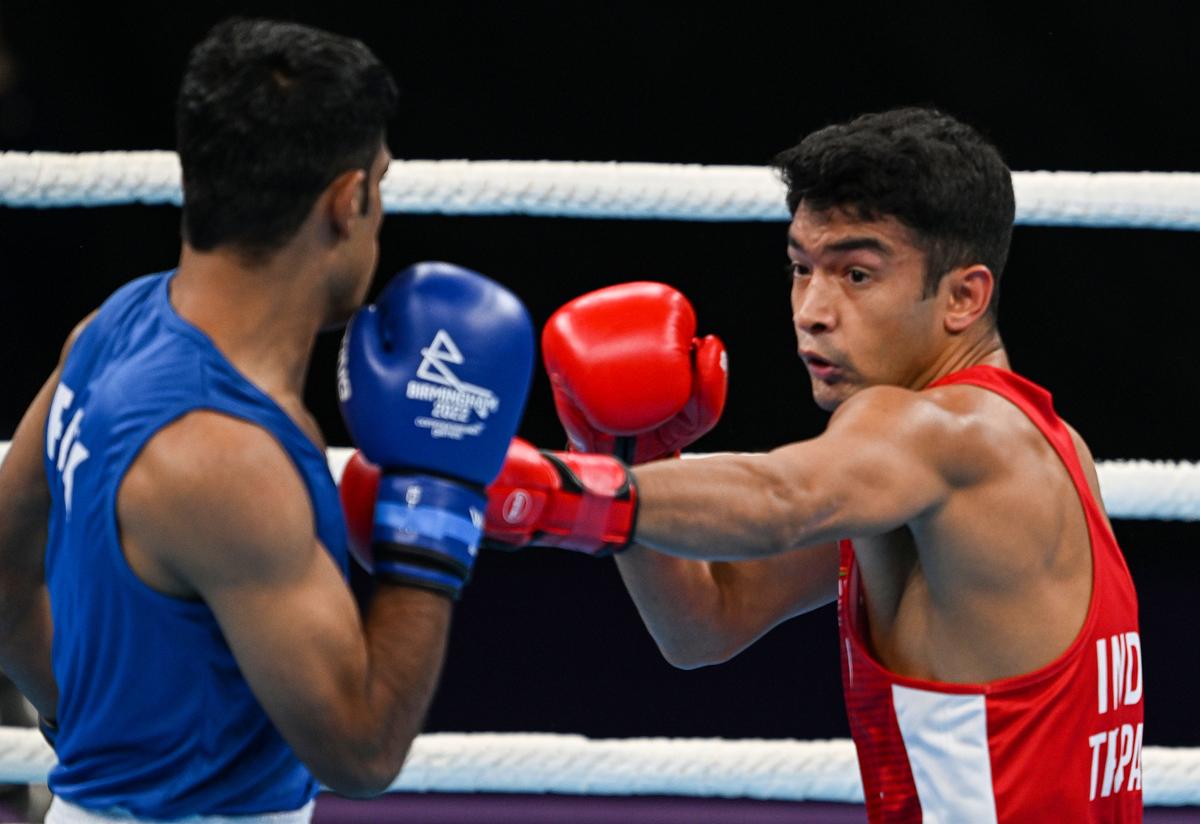
Peshawar, capital of Khyber Pakhtunkhwa province, occupies a distinctive place in Pakistan’s sporting landscape. The city’s position at the crossroads of South and Central Asia has historically influenced its culture, creating a society that values martial traditions alongside commercial and intellectual pursuits. Within this context, boxing has found fertile ground, producing fighters who represent the region’s toughness and determination despite facing significant developmental obstacles.
Peshawar’s Sporting Heritage
The broader sporting culture in Khyber Pakhtunkhwa emphasizes physicality and competitive spirit. Traditional wrestling, bodybuilding, and various martial disciplines enjoy popularity throughout the province. This cultural appreciation for strength and combat creates a natural audience and participant base for boxing, even as cricket dominates national sporting attention.
Peshawar’s gyms reflect this martial culture, operating as community institutions where young men gather to train, socialize, and test themselves physically. Boxing training provides structure, discipline, and purpose for youth who might otherwise lack productive outlets for their energy and ambition. The social dimensions of gym culture often matter as much as the athletic training itself, creating support networks that extend beyond boxing.
The city has produced notable athletes across various combat sports, demonstrating that raw talent exists in abundance. However, converting this natural athletic potential into international-level boxing success requires resources, infrastructure, and opportunities that Peshawar’s sporting ecosystem struggles to provide consistently.
Training Infrastructure in Peshawar
Boxing facilities in Peshawar range from established gyms with decades of history to makeshift training spaces occupying repurposed buildings or outdoor areas. The most developed facilities feature regulation rings, adequate bag assortments, and space for conditioning work. However, even the best-equipped Peshawar gyms operate with resources that would be considered minimal by international standards.
Equipment maintenance presents ongoing challenges. Heavy bags lose density over years of use, speed bags develop dead spots that don’t respond properly to strikes, and ring canvas wears thin in high-traffic areas. Replacing equipment requires funds that gym operators often cannot spare, meaning fighters train with worn equipment that doesn’t provide optimal feedback or safety protection.
Climate affects training conditions significantly. Peshawar experiences hot summers where temperatures regularly exceed 40°C (104°F), making afternoon training dangerous without climate control that gyms rarely possess. Winter brings cold that makes early morning roadwork uncomfortable and affects muscle flexibility during technical training. Fighters must adapt training schedules to weather patterns, complicating systematic preparation.
The Coaching Landscape
Peshawar’s boxing coaches typically emerged from the sport themselves, transitioning from active competition to training the next generation. This apprenticeship model transmits practical knowledge effectively but sometimes perpetuates technical limitations or outdated methodologies. Coaches teach what they learned as fighters, which may not always represent contemporary best practices.
Access to advanced coaching education remains limited. International coaching courses, technical seminars, and exposure to diverse training philosophies rarely reach Peshawar’s boxing community. This isolation from global boxing knowledge means local coaching methods evolve slowly, if at all, potentially leaving Peshawar fighters at technical disadvantages against opponents trained using more modern approaches.
Despite resource constraints, Peshawar’s coaches demonstrate remarkable dedication. Many volunteer their time or accept minimal compensation, working day jobs while dedicating evenings and weekends to training fighters. This commitment sustains boxing in the city even absent financial incentives, reflecting genuine passion for the sport and desire to serve their community.
Fighter Profiles from the Region
Peshawar has produced fighters across multiple weight classes and skill levels. Some achieve regional recognition competing on provincial and national cards, while others remain known primarily within local boxing circles despite years of dedicated training. Fighters like Muhammad Rehan Azhar represent this broader community, pursuing boxing careers despite uncertain prospects and limited support systems.
The typical path for a Peshawar boxer involves starting training in adolescence or early adulthood, often after exposure through neighborhood gyms or friends already involved in the sport. Initial training focuses on fundamentals—stance, basic punches, defensive movements—gradually progressing to sparring and eventually amateur competition if the fighter shows aptitude and maintains commitment.
Transitioning to professional boxing represents a significant decision point. The modest governmental support available for amateur boxers disappears upon turning professional, while professional purses in Pakistan rarely provide sustainable income. Fighters must weigh their passion for boxing against economic realities that often make professional careers financially untenable without supplementary employment.
Economic Realities for Peshawar Fighters
The economic challenges facing Pakistani boxers generally affect Peshawar fighters particularly acutely. The city’s economy, while substantial, doesn’t generate the commercial activity or wealth concentration found in metropolises like Karachi or Lahore. Local sponsorship opportunities are correspondingly scarce, leaving fighters almost entirely dependent on purses from competitions for any boxing-related income.
Professional boxing purses on regional cards in or near Peshawar typically range from 10,000 to 50,000 rupees, amounts insufficient to cover even training expenses, let alone provide living income. Fighters must maintain other employment—construction work, retail positions, manual labor—fragmenting their focus and energy between earning necessities and pursuing athletic goals.
The dual burden of employment and training limits how much fighters can dedicate to boxing development. An eight-hour workday followed by evening training sessions leaves minimal time for proper recovery, supplementary conditioning work, or the mental rest that peak athletic performance requires. This structural disadvantage affects competitive outcomes regardless of natural talent or determination.
Travel and Competition Access
Peshawar’s geographic position creates both advantages and challenges for competitive access. The city serves as a regional hub, making it relatively accessible from surrounding areas of Khyber Pakhtunkhwa. However, reaching Pakistan’s other boxing centers—Karachi, Lahore, Quetta—requires expensive, time-consuming travel that creates barriers to competition.
Major boxing events often occur in Karachi or Lahore, necessitating that Peshawar fighters incur travel costs, accommodation expenses, and time away from employment to compete. These burdens fall entirely on fighters or their families, as organizational support for competitor travel remains minimal. The financial calculation often determines which fighters can access opportunities regardless of athletic readiness or competitive ranking.
Local and provincial events in Khyber Pakhtunkhwa provide some competitive opportunities without requiring extensive travel. However, the frequency and quality of these regional competitions cannot match what fighters in Karachi experience. Peshawar boxers might compete two or three times annually versus the more frequent opportunities available in Pakistan’s boxing heartland.
Cultural Context and Social Perceptions
Pashtun culture, predominant in Peshawar and Khyber Pakhtunkhwa, traditionally values martial prowess and physical courage. Boxing aligns with these cultural emphases, creating social contexts where boxing participation earns respect rather than ridicule. Young men pursuing boxing can present their athletic commitment as maintaining cultural traditions of strength and bravery.
However, boxing as a career path still faces skepticism from families prioritizing economic stability. Parents may support sons’ boxing as recreational activity or amateur pursuit while pressuring them toward more conventional employment for actual livelihoods. This tension between cultural appreciation for martial disciplines and practical economic concerns affects many fighters’ long-term commitment.
The gym culture in Peshawar creates masculine spaces where traditional values around honor, toughness, and mutual respect shape social interactions. These environments provide young men with mentorship, structure, and belonging that extend boxing’s value beyond athletic development. For some participants, the social and cultural benefits of gym membership matter more than competitive success.
Youth Development and Amateur Boxing
Peshawar’s amateur boxing scene provides entry points for young athletes and pathways toward potential professional careers. School-affiliated programs remain rare, meaning most youth boxing occurs in community gyms that welcome participants from surrounding neighborhoods. These gyms function as informal youth development programs, teaching discipline and work ethic alongside boxing skills.
Provincial and national amateur championships provide goals and structure for Peshawar’s developing fighters. Qualifying for these competitions requires dedication and skill, creating motivational targets that drive training commitment. Success at amateur levels can lead to national team selections and international competition opportunities, though such advancement occurs rarely given the competition from Pakistan’s other boxing regions.
The transition from youth participation to serious athletic pursuit represents a critical juncture. Many young people train casually without competitive ambitions, enjoying boxing for fitness, social connection, and personal challenge. Those displaying genuine talent and commitment face decisions about whether to pursue boxing more seriously, knowing the statistical unlikelihood of financial success even for dedicated professionals.
Obstacles to International Exposure
Peshawar fighters seeking international experience face multiple barriers. Travel costs to foreign competitions exceed what most fighters and their support networks can afford. Visa requirements, passport processing, and international travel logistics create bureaucratic obstacles that require time, money, and knowledge to navigate.
Invitation to international competitions typically requires either national team membership or promotional backing that provides travel funding. Most Peshawar fighters possess neither, effectively excluding them from international experience that could accelerate development. The resulting isolation means fighters develop primarily against familiar local opponents, limiting exposure to diverse styles and international competition standards.
Some fighters have managed international opportunities through military service or employment with organizations that sponsor athletic participation. These pathways provide alternatives to the traditional boxing development pipeline, but remain accessible to relatively few fighters. The vast majority of Peshawar boxers never compete internationally regardless of talent level.
Media Visibility and Recognition
Media coverage of Peshawar’s boxing scene remains minimal outside occasional profiles when local fighters achieve notable success. Regional newspapers might report major competition results, but in-depth coverage, fighter profiles, and technical analysis rarely appear. National media attention concentrates on cricket and occasionally other sports, with boxing receiving sporadic coverage primarily when Pakistani fighters compete internationally.
This media invisibility affects fighter motivation and public support. Without regular media presence, boxing struggles to attract young participants, secure sponsorships, or build audiences for local events. The sport remains known within its immediate community but largely invisible to broader Peshawar society and completely unknown outside the region.
Social media provides some opportunities for self-promotion, but requires fighters to become content creators alongside athletes. Many Peshawar fighters lack the resources, technical knowledge, or time to maintain effective social media presence. Those who do build online followings still struggle converting digital attention into tangible career benefits like sponsorships or better fight opportunities.
Success Stories and Role Models
Despite challenges, Peshawar has produced boxers who achieved regional and occasionally national recognition. These success stories, while not matching the international accomplishments of fighters like Muhammad Waseem, demonstrate that Peshawar’s boxing community can develop competitive athletes when circumstances align favorably.
Successful fighters from Peshawar serve as role models for younger athletes, proving that advancement is possible despite obstacles. Their experiences provide templates for others to follow while also illustrating the dedication and circumstances required for boxing success from this region. The respect accorded to successful fighters within Peshawar’s boxing community reinforces the sport’s cultural value.
However, even successful Peshawar fighters rarely achieve financial security through boxing alone. Most eventually transition to coaching, pursue other employment, or leave boxing entirely. The absence of financially successful boxing careers originating from Peshawar reinforces skepticism about the sport’s viability as more than a passionate hobby.
The Coaching Pipeline and Knowledge Transfer
Peshawar’s boxing future depends partly on developing the next generation of coaches. Current trainers will eventually retire or reduce involvement, necessitating successors who can maintain and ideally improve upon existing coaching quality. Creating intentional coaching development pathways—mentorship programs, certification courses, knowledge documentation—could ensure smoother generational transitions.
Former fighters represent natural coaching candidates, possessing experiential knowledge and credibility within boxing communities. However, being a skilled fighter doesn’t automatically translate to effective coaching. Teaching requires communication abilities, technical understanding, and pedagogical skills that many former athletes don’t naturally possess. Supporting promising coaching candidates with education and mentorship could multiply their positive impact.
Knowledge preservation presents another challenge. Much of Peshawar’s boxing wisdom exists in oral form, transmitted personally from coaches to fighters without written documentation. Creating video archives, written training guides, and other documentation could preserve valuable knowledge that might otherwise disappear when experienced coaches retire or pass away.
Potential Pathways for Improvement
Addressing the challenges facing Peshawar’s boxing scene requires interventions at multiple levels. Improved gym infrastructure—better equipment, climate control, strength training facilities—would enhance training quality. Coaching education programs could introduce contemporary training methodologies while respecting existing knowledge. Increased funding for athlete support might allow promising fighters to train full-time during critical development periods.
Creating more frequent local competitions would provide fighters with regular competitive opportunities without requiring expensive travel. Regional boxing leagues or circuits could generate structure and predictability that benefit fighter development and audience building. Digital platforms might provide new revenue streams through streaming, content creation, or crowdfunding that supplement traditional boxing economics.
Partnerships with international boxing organizations could facilitate knowledge exchanges, bring international coaching expertise to Peshawar, or create pathways for talented fighters to gain international experience. Such collaborations require initiative, sustained engagement, and mutual benefit, but could significantly accelerate Peshawar boxing’s development.
The boxing community in Peshawar demonstrates remarkable resilience, maintaining the sport despite limited resources and uncertain prospects. Fighters continue training, coaches keep teaching, and gyms remain operational through collective dedication that transcends economic rationality. This commitment represents Peshawar boxing’s greatest asset—a foundation upon which improvements in infrastructure, funding, and organization could build something genuinely substantial. The potential exists; converting it into realized success requires resources, planning, and sustained support that acknowledge both the obstacles and the determination of those who refuse to let Peshawar’s boxing tradition fade.
