
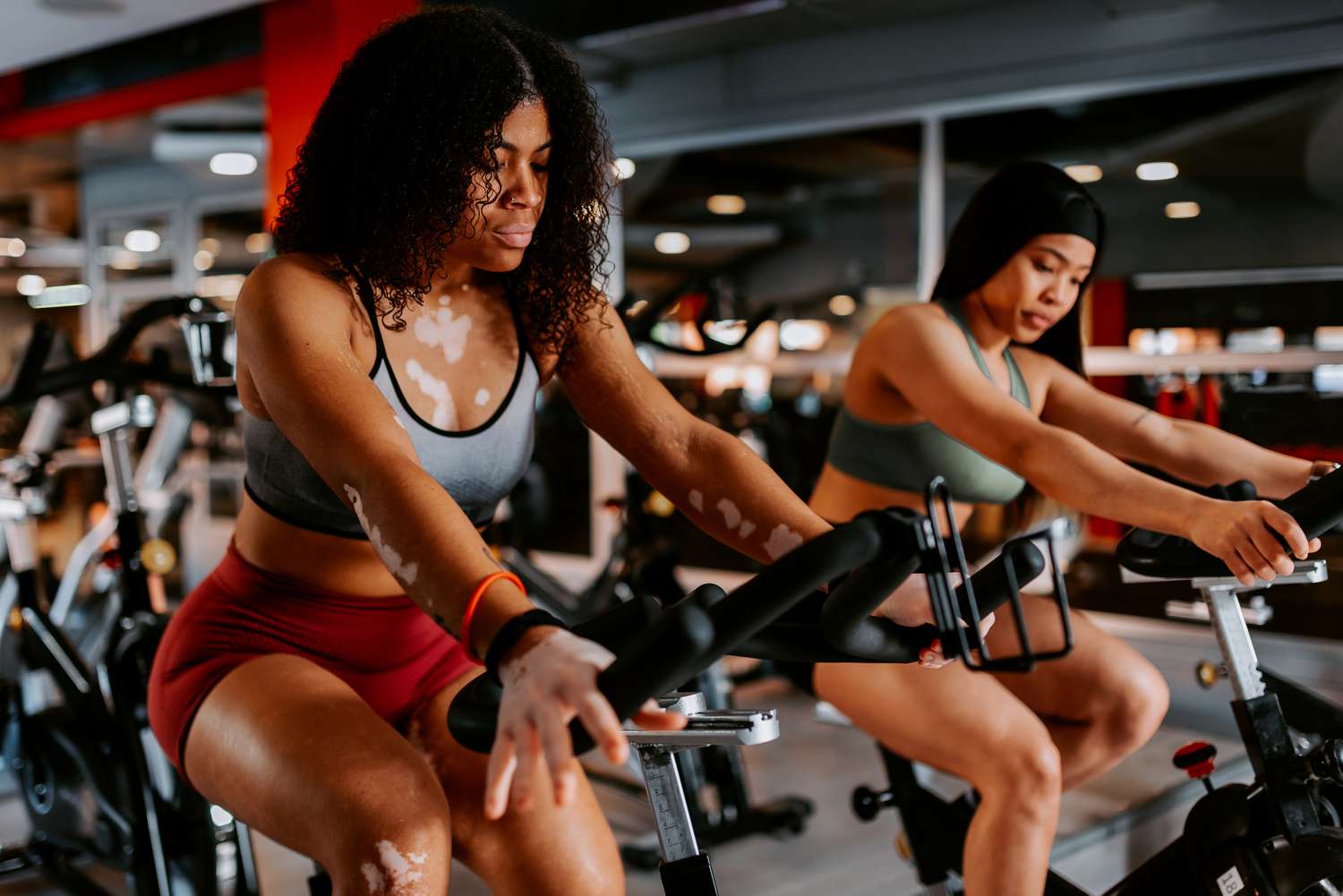
Indoor spin training places unique demands on the body. Sessions combine sustained cardiovascular effort, resistance-driven muscle engagement, and repeated intensity spikes that rapidly deplete energy stores. While many people focus on what they eat, when nutrients are consumed can be just as important for performance, recovery, and long-term progress. A structured indoor spin class amplifies the impact of nutrition timing because of its predictable intensity and duration.
For individuals training consistently, understanding nutrition timing helps maintain energy output, reduces fatigue, and supports faster recovery without overcomplicating daily routines.
Why Nutrition Timing Matters for Spin Training
Indoor spin sessions rely heavily on carbohydrate availability, neuromuscular coordination, and cardiovascular efficiency. Poor timing can lead to early fatigue, reduced power output, and prolonged recovery.
Effective nutrition timing helps:
-
Sustain energy throughout high-resistance intervals
-
Improve cadence consistency
-
Reduce perceived exertion
-
Support post-exercise muscle repair
-
Maintain metabolic stability during frequent training
Timing does not require extreme precision. It requires consistency and alignment with training demands.
Pre-Spin Nutrition and Energy Availability
Pre-workout nutrition prepares the body for high-intensity effort. The goal is to provide readily available energy without causing digestive discomfort.
Ideal Timing Before a Spin Session
For most people, consuming food:
-
90 to 120 minutes before class supports optimal digestion
-
30 to 60 minutes before class works with lighter options
The closer the session, the simpler the food should be.
Pre-Spin Nutrition Principles
Effective pre-spin meals focus on:
-
Easily digestible carbohydrates
-
Moderate protein
-
Low fat and fibre to avoid gastrointestinal strain
Examples include:
-
Oats with fruit
-
Toast with nut butter
-
Yogurt with banana
-
Rice with lean protein
These choices provide glucose for working muscles without slowing digestion.
Fasted Spin Training Considerations
Some individuals prefer training on an empty stomach, particularly in early morning sessions. Fasted spin training can work in certain contexts but requires caution.
Potential benefits:
-
Increased fat oxidation
-
Improved metabolic flexibility
Potential drawbacks:
-
Reduced power output
-
Early fatigue
-
Higher perceived effort
Fasted training may suit low to moderate intensity sessions but can compromise performance during high-resistance intervals.
Hydration and Electrolyte Timing
Hydration is often underestimated in indoor spin training due to the absence of outdoor heat. However, sweat loss can be significant.
Hydration strategies include:
-
Drinking water consistently throughout the day
-
Consuming fluids 30 minutes before class
-
Sipping water during the session
For longer or higher-intensity classes, electrolytes help maintain muscle contraction efficiency and reduce cramping risk.
Intra-Workout Fueling for Longer Sessions
Most indoor spin classes last 45 to 60 minutes, which typically does not require intra-workout fueling. However, advanced sessions or back-to-back classes may benefit from simple carbohydrate intake.
Suitable options include:
-
Diluted sports drinks
-
Small amounts of fruit-based carbohydrates
-
Electrolyte beverages with glucose
These help maintain blood sugar levels during prolonged exertion.
Post-Spin Nutrition and Recovery Timing
Post-exercise nutrition is critical for restoring glycogen, repairing muscle tissue, and reducing fatigue before the next session.
The Post-Spin Recovery Window
The most effective recovery nutrition window occurs within:
-
30 to 90 minutes after class
During this time, muscles are highly receptive to nutrient uptake.
Post-Spin Nutrition Priorities
Effective recovery meals include:
-
Carbohydrates to replenish glycogen
-
Protein to support muscle repair
-
Fluids to restore hydration
Balanced meals such as rice with lean protein, smoothies with protein and fruit, or balanced Asian-style meals support recovery without excess calories.
Protein Timing and Muscle Support
Indoor spin training places repeated stress on leg muscles and supporting stabilisers. Protein intake timing influences repair and adaptation.
Protein timing recommendations:
-
Spread intake evenly throughout the day
-
Include protein in post-spin meals
-
Aim for moderate portions rather than large single servings
This approach supports muscle resilience and reduces soreness across frequent sessions.
Evening Spin Classes and Sleep Considerations
Many Singapore professionals attend spin classes after work. Late-evening sessions require careful nutrition timing to avoid sleep disruption.
Strategies include:
-
Avoiding heavy meals immediately before class
-
Choosing lighter recovery meals
-
Reducing stimulant intake late in the day
Proper timing helps support recovery while maintaining sleep quality.
Nutrition Timing for Weight Management Goals
For those using spin training to support weight management, timing still matters more than restriction.
Key principles include:
-
Prioritising performance during workouts
-
Avoiding extreme calorie deficits
-
Supporting recovery to maintain consistency
Under-fuelling often leads to reduced training quality and stalled progress.
Consistency Over Perfection
Nutrition timing does not need to be rigid. Consistency produces better results than occasional perfection.
Simple habits include:
-
Eating regular meals
-
Aligning larger meals away from sessions
-
Staying hydrated daily
-
Adjusting timing based on training intensity
These habits support sustainable performance improvements.
Cultural and Lifestyle Fit in Singapore
Singapore’s diverse food culture allows flexibility in nutrition timing without reliance on supplements.
Local-friendly options include:
-
Rice-based meals
-
Noodles with lean protein
-
Fresh fruit
-
Yogurt and soy-based products
These foods fit easily around spin class schedules and support recovery.
The Role of Structured Training Environments
Nutrition timing works best when workouts are consistent and predictable. Facilities such as TFX Singapore offer structured spin schedules that make it easier to plan meals and recovery without guesswork.
Predictable training supports better nutrition alignment and long-term performance outcomes.
FAQs About Nutrition Timing and Indoor Spin Classes
Should I eat before every spin class?
Most people perform better with some pre-workout nutrition, especially for high-intensity sessions.
Is fasted spin training effective?
It can be useful for certain goals but may reduce performance during intense sessions.
How soon should I eat after a spin class?
Aim to eat within 30 to 90 minutes to support recovery and energy restoration.
Do I need supplements for spin training?
Whole foods are usually sufficient. Supplements are optional and not required for most participants.
Can poor nutrition timing affect recovery?
Yes. Delayed or insufficient nutrition can increase soreness and reduce training consistency.
Is hydration more important than food timing?
Both matter. Hydration supports immediate performance, while food timing supports energy and recovery.
Can I spin at night without affecting sleep?
Yes, with proper meal timing and avoiding stimulants close to bedtime.
Does nutrition timing differ for beginners and advanced participants?
Advanced participants may benefit more from precise timing, while beginners should focus on consistency.
Nutrition timing is a powerful yet often overlooked component of indoor spin performance. When aligned with training demands, it enhances energy availability, supports recovery, and improves long-term results without adding unnecessary complexity to daily life.
