
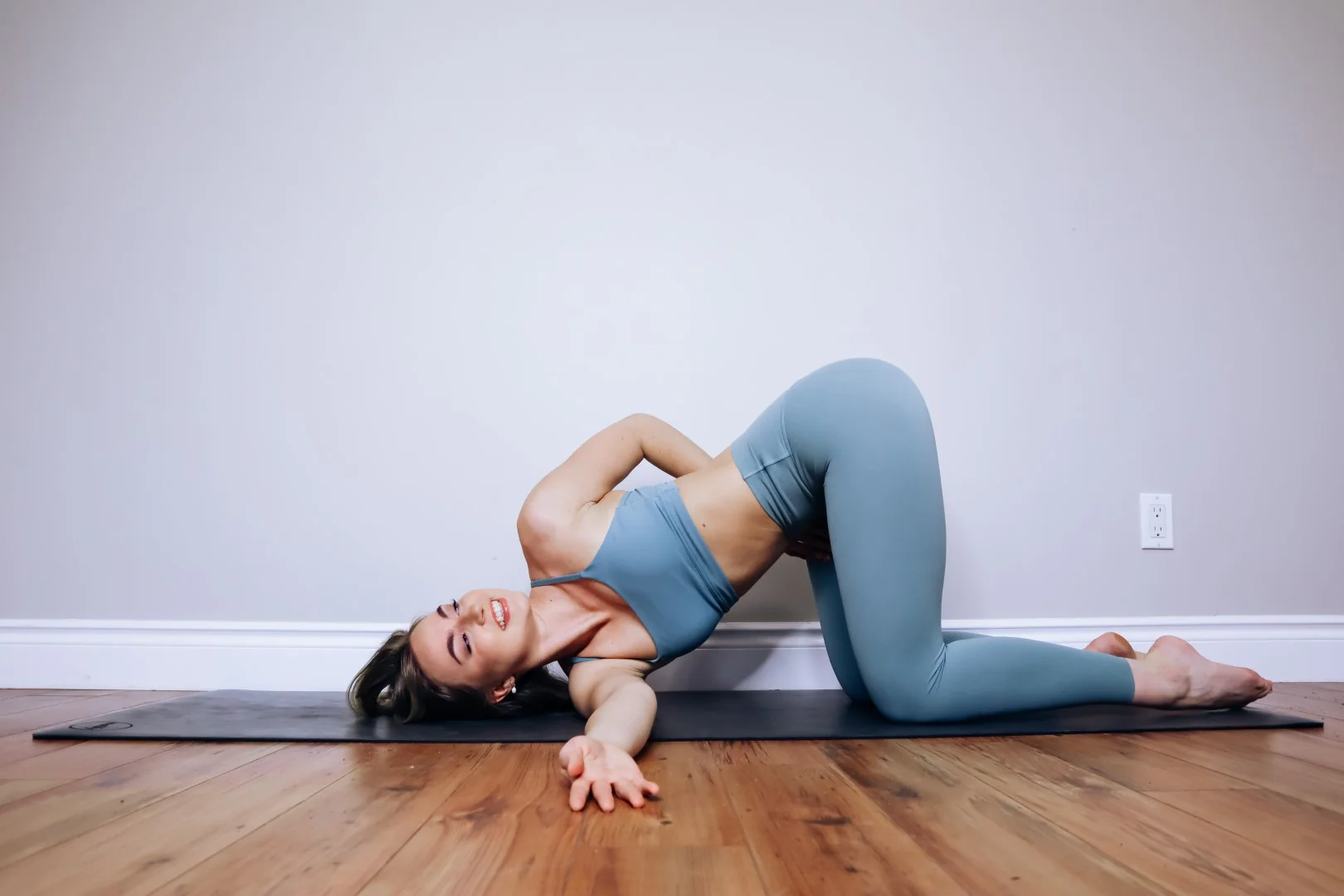
Walk into any MRT carriage during rush hour in Singapore and you will see the same posture repeated in almost every seat: shoulders rolled forward, neck jutting ahead of the spine, lower back flat against the seat cushion instead of maintaining its natural curve. This is the posture of a workforce that spends eight to ten hours a day in front of screens, and it is producing a chronic pain epidemic that physiotherapists, orthopaedic specialists, and general practitioners across the island are seeing at younger and younger ages.
Lower back pain is now the leading cause of disability in Singapore according to the Singapore General Hospital’s musculoskeletal health data. Cervical spondylosis, the gradual degeneration of the neck vertebrae, is being diagnosed in adults in their early thirties rather than their fifties. Hip flexor tightness severe enough to cause referred pain down the thighs is considered almost universal among full-time office workers. These are not minor discomforts. They are structural problems that worsen progressively without targeted intervention.
Hot yoga has emerged as one of the most clinically supported non-pharmaceutical approaches to addressing exactly these patterns of desk-related chronic pain. This is not a claim based on anecdote. A 2025 systematic review published in Applied Psychology confirmed that structured yoga practice produces statistically significant improvements in musculoskeletal discomfort among desk-based workers. The heat element, specific to hot yoga, adds a dimension of therapeutic benefit that room-temperature yoga cannot fully replicate.
Why Desk Work Creates Chronic Pain: The Biomechanical Reality
Understanding why hot yoga works for chronic pain requires first understanding what sitting at a desk actually does to the body over time.
The human spine was designed for movement and postural variability. It tolerates sustained static loading poorly. When held in a flexed forward position for prolonged periods, several things happen:
- The intervertebral discs, which are fluid-filled cushions between the vertebrae, experience uneven compressive loading that gradually causes them to lose hydration and resilience
- The posterior spinal ligaments, which normally hold the vertebrae in alignment during movement, become chronically overstretched and lose their ability to provide passive stability
- The deep stabilising muscles of the spine, particularly the multifidus and transversus abdominis, become inhibited by prolonged sitting and stop firing efficiently during movement
- The hip flexor muscles, particularly the psoas major and iliacus, adaptively shorten over months and years of sustained hip flexion, creating anterior pelvic tilt and compressive loading across the lumbar spine even when standing
The result is a body in which the structures designed to protect the spine from injury are chronically weakened, while the tissues responsible for pain, the overstretched ligaments and compressed discs, are constantly under strain.
How Heat Changes the Therapeutic Equation
Treating chronic musculoskeletal pain through exercise is well-established. What makes hot yoga specifically superior to stretching or yoga performed at room temperature is the direct effect of heat on connective tissue.
Connective tissue, including tendons, ligaments, joint capsules, and the fascia that surrounds and connects every muscle in the body, is primarily composed of collagen. Collagen is a viscoelastic material, meaning it exhibits both elastic and plastic deformation properties. In practical terms, this means connective tissue stretches more readily and retains new length more effectively when it is warm.
Research in physiotherapy and sports medicine consistently shows that stretching performed at elevated tissue temperatures produces greater and longer-lasting increases in range of motion compared to stretching at normal tissue temperatures. In a room held at 38 to 40 degrees Celsius, muscle tissue temperature rises to a level that is therapeutically comparable to deep heat physiotherapy treatments, but achieved naturally through environmental immersion rather than targeted application.
For someone with chronically shortened hip flexors, tight thoracic fascia, or restricted cervical range of motion, this means that every posture performed in the heated room has a greater therapeutic effect on the specific tissues causing their pain than the same posture performed at room temperature.
Specific Postures and the Desk Worker Pain Patterns They Address
Lower Back Pain and Lumbar Disc Compression
The floor series of the OH90 sequence is particularly well-designed for lumbar rehabilitation. Locust Pose, performed lying face down and lifting the legs and upper body simultaneously, activates the deep spinal extensors and gluteal muscles that are chronically inhibited by sitting. Full Locust and Bow Pose follow the same principle with progressively greater demands on the posterior chain.
These postures directly counteract the forward-flexed, posterior-chain-inhibited posture of desk work. By systematically reactivating the muscles that should be stabilising the spine, they reduce the compensatory loading that causes disc compression and ligament strain.
Neck Pain and Cervical Spondylosis
Half Moon Pose, Eagle Pose, and the deliberate neck mobility work in the opening breathing exercise address the pattern of forward head posture that underlies most desk-related cervical pain. Forward head posture increases the effective weight the neck muscles must support significantly. For every 2.5 centimetres of forward head displacement, the mechanical load on the cervical spine increases by approximately 4.5 kilograms. Restoring the cervical spine to its natural position and rebuilding the deep neck flexor strength to maintain it is fundamental to long-term relief.
Hip Flexor Tightness and Anterior Pelvic Tilt
Standing Bow Pulling Pose and Warrior variations within the hot yoga sequence create deep, sustained lengthening of the hip flexor complex. The heat allows this lengthening to reach the psoas major, a hip flexor that originates on the lumbar vertebrae themselves and is inaccessible to most conventional stretching approaches at room temperature. Regular lengthening of the psoas in a heated environment is one of the most direct structural interventions available for desk-related lower back pain.
Thoracic Stiffness and Shoulder Tightness
The thoracic spine, the mid-back, is the region most chronically stiffened by keyboard and mouse work. Camel Pose, Fixed Firm Pose, and Rabbit Pose systematically mobilise the thoracic vertebrae in both extension and flexion, restoring segmental mobility that conventional gym exercise almost never addresses. Improved thoracic mobility reduces the compensatory strain on both the cervical spine above and the lumbar spine below.
The Nervous System Component of Chronic Pain
Modern pain science has established clearly that chronic pain is not simply a measure of tissue damage. The nervous system plays a central role in amplifying or dampening pain signals. Under prolonged stress, the central nervous system becomes sensitised, meaning it processes normal sensory input as painful. This central sensitisation explains why many desk workers experience pain that seems disproportionate to any identifiable structural finding on imaging.
Hot yoga addresses central sensitisation through the same parasympathetic activation mechanisms discussed in the context of burnout. When the nervous system shifts out of a chronic sympathetic state and into parasympathetic dominance, the pain amplification system is effectively downregulated. This is why many hot yoga practitioners with chronic pain report that their pain decreases not only in the areas targeted by specific postures, but systemically across the body.
Building a Pain Relief Practice: Realistic Expectations
Chronic pain that has developed over years of poor posture and sedentary work will not resolve after a handful of classes. Realistic expectations are important for maintaining consistency.
Most practitioners with desk-related chronic pain report the following progression:
- Weeks one to three: Increased awareness of pain and stiffness as the body begins moving through ranges of motion it has avoided. Some temporary exacerbation is normal and expected
- Weeks four to eight: Noticeable reduction in morning stiffness, improved range of motion in the affected areas, and a reduction in pain intensity during the workday
- Weeks nine to twelve and beyond: Structural postural improvements become visible, compensatory muscle patterns begin to correct, and pain episodes become less frequent and less severe
For best results, practitioners are encouraged to combine hot yoga with ergonomic adjustments at their workstation, regular standing breaks during the workday, and if available, targeted physiotherapy for any acute structural issues identified during medical assessment.
Yoga Edition provides a particularly well-suited environment for this kind of therapeutic practice, with experienced instructors who can offer posture modifications for practitioners managing active injuries or significant structural limitations.
FAQ
Q: Is it safe to do hot yoga if I have a herniated disc? A: Many people with herniated discs practise hot yoga successfully, but the answer depends on the severity, location, and stage of the herniation. During an acute flare with nerve pain or neurological symptoms such as numbness or weakness, rest and medical management take priority. Once the acute phase has resolved, a modified hot yoga practice can support rehabilitation. Always inform your instructor and seek clearance from your physiotherapist or spinal specialist before starting.
Q: Will hot yoga make my hypermobility worse? A: Hypermobile individuals need to approach hot yoga with specific awareness. The heat increases tissue extensibility, which can lead hypermobile practitioners to overstretch beyond safe joint ranges. The focus for hypermobile practitioners should be on engaging muscular stability around joints rather than achieving maximum range. A qualified instructor familiar with hypermobility can provide appropriate guidance.
Q: How does hot yoga compare to physiotherapy for chronic back pain? A: The two approaches are complementary rather than competing. Physiotherapy typically addresses specific structural dysfunctions with targeted manual therapy and prescribed exercises. Hot yoga provides a broader systemic benefit through full-body movement, heat therapy, and nervous system regulation. Many physiotherapists actively encourage patients to supplement their rehabilitation with yoga practice once the acute phase of injury has resolved.
Q: Can I attend hot yoga with sciatica? A: Sciatica caused by piriformis syndrome, where the sciatic nerve is compressed by the piriformis muscle in the hip, often responds well to hot yoga due to the deep hip opening in the floor series. Sciatica caused by lumbar disc herniation pressing on the nerve root requires more careful management. Consult your doctor or physiotherapist for a diagnosis before starting, and inform your instructor of your specific symptoms.
Q: How long should I hold off after a muscle strain before returning to hot yoga? A: For minor muscle strains, most practitioners can return to a modified practice within five to seven days, avoiding postures that directly load the injured tissue. For moderate strains, two to three weeks of rest followed by a gradual return is more appropriate. For severe strains involving significant muscle tearing, follow your treating practitioner’s specific guidance.
