
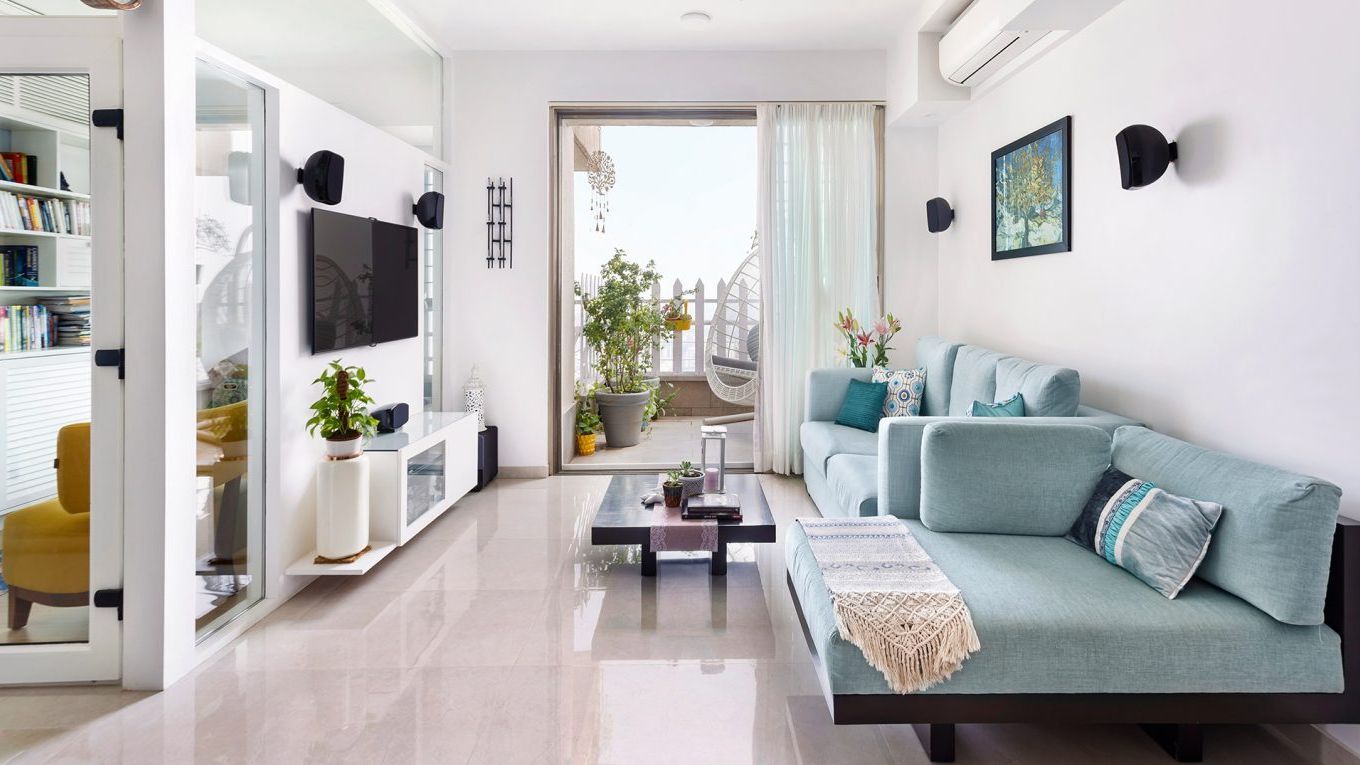
A Home is far more than a physical structure. It shapes routines, influences wellbeing, and anchors family connections. In many communities, the idea of Home represents security, identity, and long term stability. Today’s households reflect a blend of functionality, technology, energy efficiency, and emotional comfort. As living patterns change, understanding what makes a Home truly supportive becomes essential for improving quality of life, protecting personal investments, and creating environments that promote health, productivity, and connection.
Modern homeowners and renters now prioritize flexibility, safety, design efficiency, and environmental responsibility. Whether someone is purchasing a first property, renovating an older residence, or optimizing a rental space, knowing how each component contributes to a comfortable and efficient Home helps individuals make informed decisions that last for years.
How the Concept of Home Has Evolved
The meaning and function of Home have changed significantly across generations. Social expectations, economic shifts, technology, and lifestyle trends all influence how people design and use their living environments.
Transition From Basic Shelter to Multi Purpose Living
Historically, a home served primarily as shelter and a place for family gatherings. Over time, homes adopted new roles including:
- Workspaces for remote professionals
- Fitness areas for daily exercise
- Entertainment hubs for digital streaming
- Culinary spaces for advanced cooking techniques
- Relaxation zones for mental health needs
The modern Home supports a wide range of daily functions that previously existed outside the residence.
Technology Integration in Daily Living
Smart technology influences nearly every aspect of residential life. Homes now use:
- Smart thermostats for energy management
- Connected security systems
- Automated lighting
- Voice activated assistants
- Smart appliances that improve efficiency
Technology enhances convenience, reduces energy waste, and strengthens safety.
Increased Focus on Wellness and Sustainability
Home design trends increasingly focus on personal wellness and environmental responsibility. Many households now invest in:
- Natural lighting strategies
- Non toxic materials
- Improved indoor air quality
- Quiet and calm spaces for emotional health
- Energy saving systems that lower utility costs
Homes are becoming healthier and more sustainable, aligning with long term wellbeing goals.
Core Components of an Effective Home Environment
A well functioning Home is made up of systems that work together to create comfort, safety, and efficiency. Understanding these components helps individuals evaluate improvements and maintain long term property value.
Structural Design and Home Layout
The layout and structure of a home play a major role in how comfortable and practical it is for daily living.
Functional Floor Plans
Different families require different spatial arrangements. Common priorities include:
- Open concept living areas for social connection
- Closed or segmented rooms for privacy and work
- Multi use spaces that adapt to changing needs
- Efficient kitchens designed for modern cooking habits
A functional floor plan supports both convenience and comfort.
Structural Integrity and Safety
A safe home relies on strong structural systems including:
- Foundation stability
- Correct framing
- Moisture control
- Proper roofing installation
- Adequate insulation
Structural integrity protects the home from long term wear and environmental hazards.
Indoor Air Quality and Environmental Health
Air quality directly affects physical health, sleep, and productivity. Many homes face air quality challenges that go unnoticed.
Common Sources of Indoor Pollutants
Indoor air pollution can come from:
- Dust accumulation
- Mold and moisture
- Cleaning chemicals
- Gas appliances
- Upholstery materials
- Poor ventilation
Identifying pollutant sources helps households create healthier spaces.
Strategies to Improve Air Quality
Effective improvements include:
- Using air purifiers
- Increasing ventilation
- Running exhaust fans
- Maintaining HVAC systems
- Cleaning regularly with non toxic products
These small steps create a cleaner, safer indoor environment.
Energy Efficiency and Home Systems
Energy efficiency improves comfort, reduces monthly costs, and supports long term sustainability.
Heating, Cooling, and Ventilation Systems
HVAC systems influence temperature, humidity, and air circulation. Efficient systems:
- Reduce unnecessary energy use
- Maintain consistent comfort
- Extend system longevity
- Improve indoor air quality
Proper maintenance is key to avoiding breakdowns and high utility bills.
Insulation and Window Performance
Energy loss often occurs through:
- Poorly insulated walls and attics
- Inefficient windows
- Leaks around doors and vents
Upgrading insulation and window quality significantly improves comfort and lowers heating costs.
Water and Plumbing Efficiency
Efficient water systems protect the environment and household budget. Water saving strategies include:
- Low flow fixtures
- Energy efficient water heaters
- Leak detection sensors
- Updated plumbing lines
Efficient plumbing supports both convenience and sustainability.
Home Safety and Security
Security is a major contributor to peace of mind. A safe Home reduces risks and creates a reliable space for daily life.
Physical Safety Features
Safety features include:
- Smoke and carbon monoxide detectors
- Fire extinguishers
- Non slip flooring
- Handrails and secure staircases
- Child and pet safety measures
These simple additions protect families from avoidable dangers.
Home Security Enhancements
Security systems strengthen protection through:
- Cameras and motion sensors
- Reinforced entry points
- Smart door locks
- Exterior lighting placement
- Alarm systems with remote monitoring
Security upgrades create confidence and reduce vulnerability.
Kitchen and Culinary Functionality
The kitchen is often the heart of modern homes. Its design influences daily routines and overall lifestyle quality.
Efficient Kitchen Layouts
Common kitchen layouts include:
- U shaped for maximum workspace
- L shaped for open flow
- Galley kitchens for small spaces
- Island centered designs for social homes
A well designed kitchen makes cooking easier and more enjoyable.
Storage Solutions
Effective kitchen storage improves organization and reduces clutter:
- Pull out shelves
- Deep drawers
- Pantry organization systems
- Wall mounted racks
- Vertical storage designs
Modern kitchens rely on strategic storage for efficiency.
Bathroom Comfort and Hygiene
Bathrooms support hygiene, relaxation, and personal care.
Modern Bathroom Design Elements
Key design features include:
- Water saving fixtures
- Spacious showers
- Quality ventilation
- Effective lighting
- Durable surfaces that resist moisture
These elements combine functionality with comfort.
Long Term Maintenance Considerations
Moisture control is essential in bathrooms. Regular cleaning, sealing tiles, and maintaining plumbing prevent mold growth and structural issues.
Bedrooms and Restful Living
Sleep quality depends heavily on bedroom design.
Creating a Restful Environment
Restful bedrooms include:
- Soft lighting
- Comfortable bedding
- Noise reduction strategies
- Breathable fabrics
- Air circulation systems
The bedroom should promote relaxation and support restorative sleep.
Storage and Organization
Organized bedrooms reduce stress and improve daily flow:
- Closet systems
- Under bed storage
- Nightstand organization
- Shoe racks
- Minimal clutter
An organized environment supports mental clarity.
Living Areas and Social Spaces
Living rooms and family spaces strengthen connection and support daily routines.
Designing for Comfort and Connectivity
Well designed social spaces include:
- Comfortable seating
- Thoughtful furniture placement
- Adequate lighting
- Multi purpose design for activities
- Media systems for entertainment
These areas bring people together and encourage relaxation.
Space Planning for Families
Families benefit from layouts that consider:
- Play areas for children
- Storage for hobbies
- Pet friendly design
- Shared activity zones
A functional layout supports family routines.
Outdoor Living and Home Exteriors
Outdoor areas contribute to wellness, recreation, and property value.
Functional Outdoor Spaces
Common outdoor features include:
- Patios and decks
- Gardens and greenery
- Outdoor kitchens
- Playgrounds
- Fire pits or relaxation zones
Outdoor spaces provide fresh air and social opportunities.
Landscaping and Environmental Impact
Landscaping influences:
- Curb appeal
- Shade and cooling
- Soil quality
- Water conservation
- Wildlife support
Thoughtful landscaping improves both beauty and environmental impact.
Home Maintenance and Long Term Value
Regular maintenance protects homes from damage and preserves value.
Maintenance Essentials
Key tasks include:
- Cleaning gutters
- Inspecting roofs
- Servicing HVAC systems
- Checking plumbing lines
- Maintaining exterior paint
Preventative maintenance reduces long term repair costs.
Planning for Upgrades
Homeowners often plan upgrades such as:
- Kitchen remodeling
- Bathroom modernization
- Energy efficient improvements
- Flooring replacement
- Technology integration
Upgrades increase comfort and property value.
Frequently Asked Questions
How can someone improve their home without large renovation costs?
Small adjustments like replacing lighting, repainting walls, improving organization, rearranging furniture, and adding indoor plants can transform a home without major expenses.
What is the most important factor in creating a healthy home environment?
Air quality is one of the most critical factors. Proper ventilation, clean surfaces, reduced chemical exposure, and moisture control support better health.
How does natural light affect a home’s comfort?
Natural light boosts mood, supports circadian rhythm, reduces energy costs, and makes rooms feel larger. Strategically placed windows and mirrors improve light flow.
What should first time homeowners prioritize when maintaining a house?
Focus on essential systems like the roof, plumbing, electrical work, and HVAC. These components prevent major damage and maintain long term safety.
How can small homes feel more spacious?
Decluttering, using multi functional furniture, maximizing vertical storage, and choosing lighter color palettes all help small homes feel larger and more open.
If you’d like a version tailored to real estate, interior design, home building, or renovation services, I can create a customized edition.
