
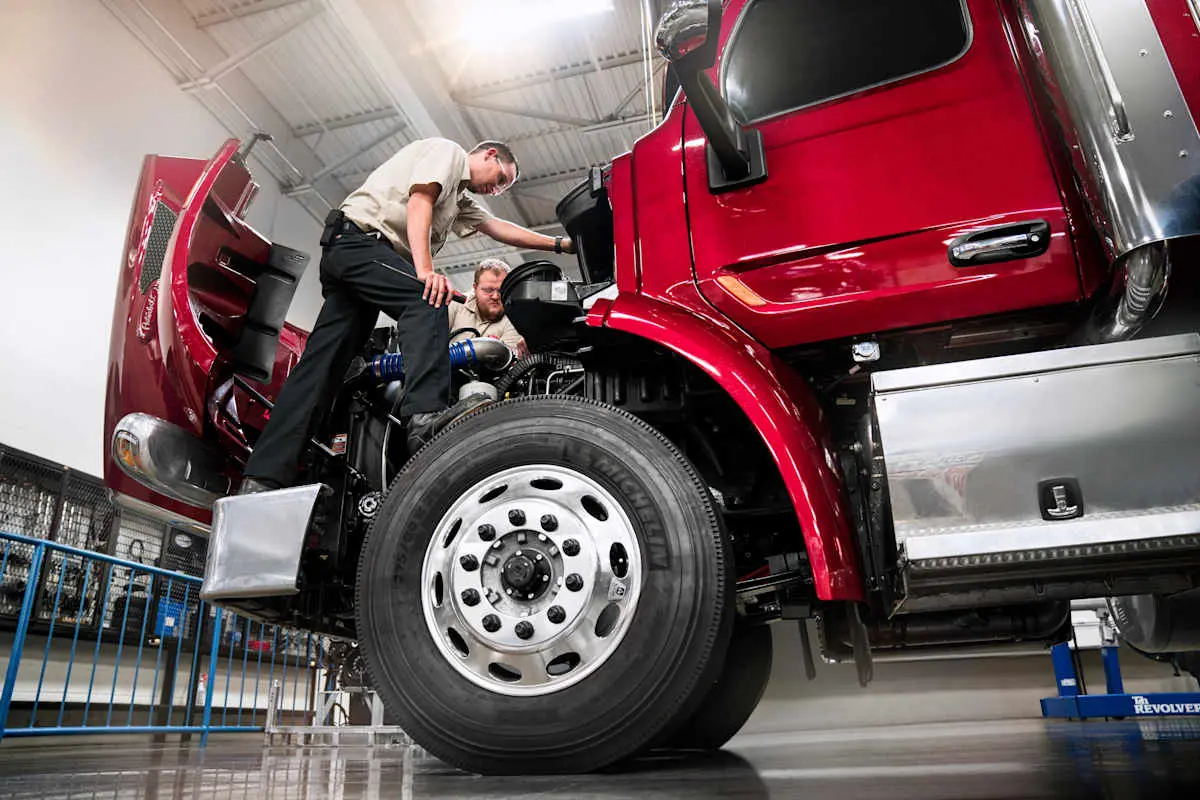
The type of maintenance and repairs required for light-duty and heavy-duty trucks is mostly different. Most light-duty trucks usually require a normal maintenance schedule, while heavy-duty trucks require more frequent servicing. This is because the latter haul much heavier loads and are capable of trekking through rugged and steep roads. Besides requiring a severe maintenance schedule, heavy trucks also require different levels of repairs.
The following guide explains the difference between light-duty and heavy-duty truck repairs.
Importance of Knowing Light Vs Heavy Truck Repairs
When you know the differences between light and heavy truck repairs, it will become easier to avoid getting the wrong kind of repair for your vehicle and wasting your time and money.
Light trucks are designed to carry passengers and can have more features for off-road driving capabilities. On the other hand, heavy-duty trucks can be categorized into multiple classes. The latter tend to have more complex components. They carry heavy tons and have higher chances of breaking down. Additionally, these vehicles are driven more often and cover much longer distances.
Light-Duty Vs Heavy-Duty Truck Servicing
The difference between light-duty and heavy-duty truck repairs can be determined from the difference between their maintenance needs.
Light truck maintenance typically involves:
- Oil changes
- Vehicle inspections
- Brake inspection
- Fluid level & condition checks
- Tire rotations
- Filter replacements
Light duty trucks are much easier to maintain compared to their heavy-duty counterparts because they have a smaller size and a simpler design.
Heavy-duty trucks are large and are used for industrial, commercial, and agricultural purposes. They are commonly used for long-haul transport. The different types of heavy trucks include:
- Semi-trucks
- Tractor-trailers
- Tractors
- City transit buses
- Heavy haulers
- Cement mixers
- Dry vans
Heavy-duty trucks are generally diesel-engine powered and require specialized and extensive maintenance. Servicing and repairing these vehicles require very high levels of expertise and the use of specialized tools and equipment.
Some of the tasks involved in their maintenance routine include:
- Transmission services
- Engine inspections & repairs
- Brake repairs
- Suspension service
- Trailer & components inspection & repair
Choosing the Right Heavy-Truck Repair Shop
Heavy truck repair is a big job and requires a large team of technicians. It is important to choose a quality service provider.
- Reputation: Always choose a heavy-duty truck repair shop with an excellent reputation. Listen to existing customers because they don’t usually lie. So, studying customer reviews is the perfect way to find the right heavy truck repair shop.
- Range of Services: It is also recommended to choose a repair shop that offers a vast range of services. This includes repairs for all the different components, including engine, brakes, transmission, and suspension.
- Maintenance Services: Your heavy truck repair shop should also offer maintenance services. It is beneficial to have your truck repaired from the same place it is serviced. Quality regular maintenance services help you avoid costly repairs. Besides conducting regular servicing, they should also be able to check the truck’s bed, mud flaps, and tires.
Repairing a heavy truck is out of the expertise of most light truck mechanics. Fortunately, there are specialized heavy-duty truck repair mechanics who understand the extensive needs of these large vehicles and have the team and equipment needed to complete the most complex repairs. For example, heavy vehicle mechanics do more than just repair engines. They also need to know how to troubleshoot and repair hydraulics, electrical systems, fueling systems, brake lines, and other systems.
Additionally, you can expect them to perform repairs and replace parts that meet the industry standards and regulations. It is important to meet high standards to ensure a heavy truck’s reliable and safe operations. Thus, there are many differences between light-duty and heavy-duty truck repairs. Both these services require different levels of expertise, services, and equipment.
